

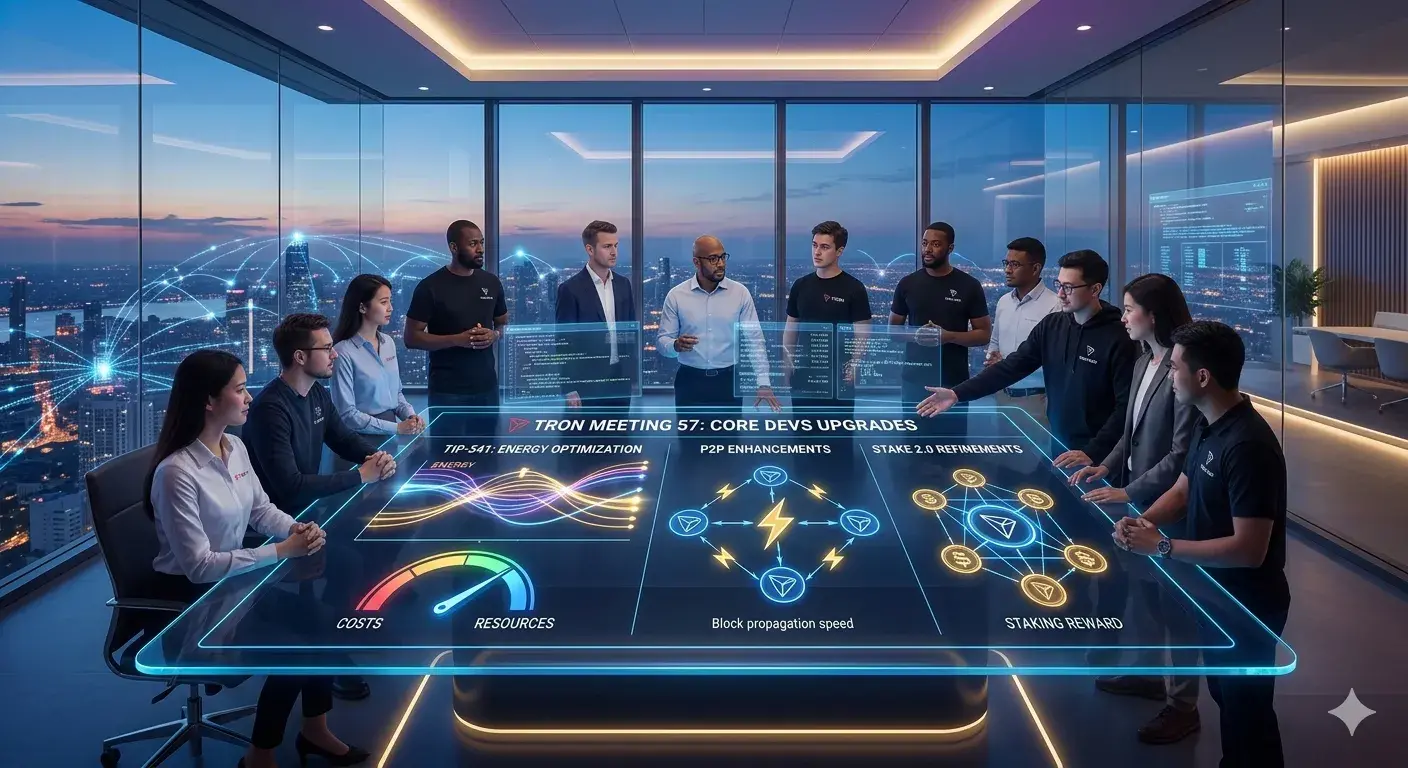
Key Takeaways
- Tip-541 Integration: Implementation of a more dynamic energy model to prevent network congestion.
- P2P Enhancements: Improvements to block propagation speed and peer discovery protocols.
- Stake 2.0 Refinements: Ongoing adjustments to the staking mechanism to improve user experience and resource liquidity.
- Network Governance: Discussion on upcoming voting cycles for protocol parameters.
The TRON ecosystem continues its technical evolution following the 57th Core Devs Meeting. This session highlighted significant strides in network efficiency, focusing on energy model refinements and peer-to-peer (P2P) connectivity improvements. As the network prepares for future scaling, TRON developers have emphasized the importance of balancing low transaction costs with sustainable resource management.
CRYPTOCAP:TOTAL Real-Time Chart
Advancing the Energy Model: Tip-541
A central theme of the meeting was the progress on Tip-541. This proposal aims to optimize how energy is calculated and consumed during contract execution. By introducing more granular control over resource allocation, TRON developers are working to ensure that the network remains resilient against “dust” transactions and spam while keeping legitimate smart contract interactions affordable.
According to the technical briefing provided by TRON developers, these changes will allow the network to adjust energy costs more fluidly based on real-time demand. This move is seen as a proactive step to maintain TRON’s reputation as one of the most cost-effective platforms for USDT and stablecoin transfers.
 MoneyGram Joins XDC Network as Institutional Validator→
 XRP Asia Officially Launches in Seoul to Accelerate XRP Ledger Adoption Across the Asia-Pacific Region→
 CFTC Clarifies Tokenized Collateral Rules and On-Chain Recordkeeping→
 Chainlink Bridges Traditional Capital Markets and Decentralized Finance Through Secure Oracle Infrastructure→
Strengthening Network Infrastructure
Beyond resource management, the core team discussed critical updates to the Java-tron client. The latest refinements focus on the P2P network layer, which is the backbone of block synchronization. By refining the code, TRON developers aim to reduce the latency between block production and global consensus, further securing the network against potential fork risks.
These infrastructure updates reflect the ongoing efforts by TRON developers to accommodate the increasing number of decentralized applications (dApps) migrating to the chain. The meeting concluded with a roadmap for the next development cycle, emphasizing the collaborative vision held by TRON developers for a more decentralized and efficient ecosystem.
Transparency and Community Engagement
TRON’s commitment to transparency is evident in these regular meetings where TRON developers share technical progress directly with the community. This open-source approach allows for broader scrutiny and faster debugging of proposed features, ensuring that every protocol upgrade is thoroughly vetted before reaching the Mainnet.
Stay updated with the fast-moving world of TRON. Subscribe to our newsletter for deep dives into blockchain governance and development.